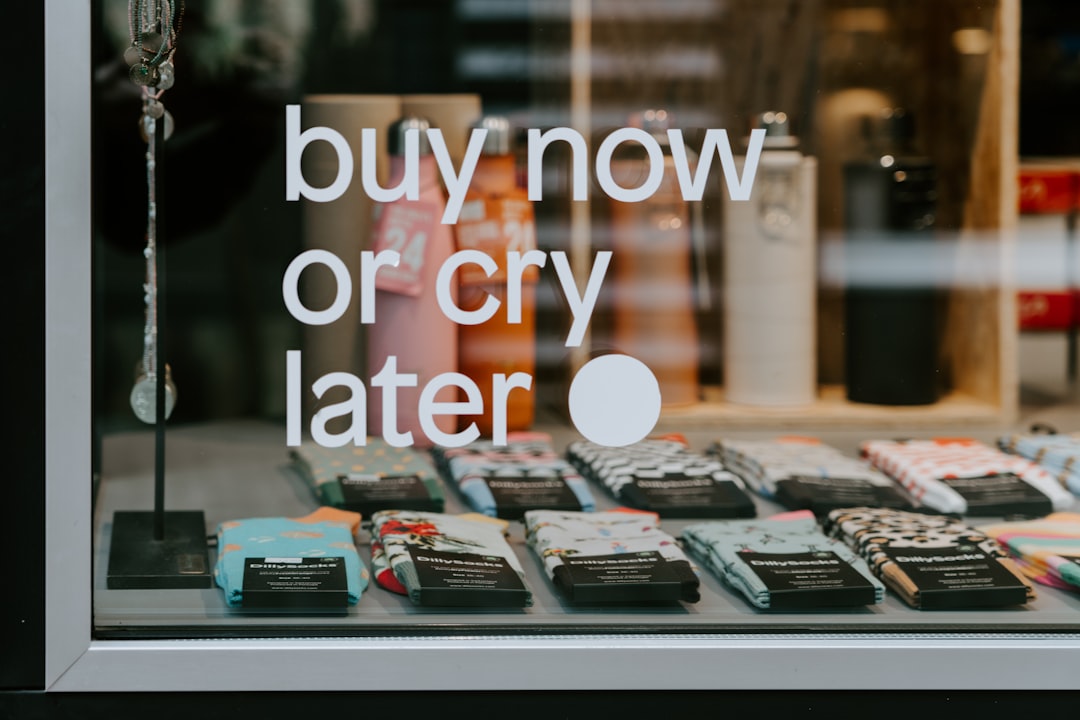
Executive Summary
1,709 words · 6 min read
- Key figures: $1.2 Trillion
- The Plain-English Definition of Buy Now Pay Later BNPL: This is a payment method that lets you split a purchase into several smaller, often interest-free, payments over a fixed period.
- How It Works – Step by Step: The mechanics of BNPL are deceptively simple, which is precisely why they’ve captivated a generation of consumers who find traditional credit cards about as appealing as a flip phone.
- Why Finance Professionals Are Paying Attention: For CFOs, venture investors, and heads of strategy, the rise of BNPL isn’t just another flashy consumer trend; it’s a fundamental shift in how credit is extended and managed at the point of sale.
- Common Misconceptions: Let’s debunk some of the prevailing myths floating around the fintech echo chamber:
- The Landscape: The field is crowded, with new entrants vying for a slice of the pie.
Understanding the intricacies of buy now pay later BNPL models isn’t just about consumer finance trends; it’s about dissecting a rapidly evolving payment ecosystem that demands strategic attention from CFOs and institutional investors. Here at GrowStream, we think it’s time to cut through the hype and get to the actionable intelligence.
15 Sec Read
- Buy now pay later BNPL services offer short-term, interest-free installment payments for purchases.
- For finance professionals, BNPL is a dual-edged sword: a growth lever for consumer lending and a complex credit risk aggregator.
- Traditional banks (e.g., Bank of America) are aggressively entering the real-time payment space, challenging pure-play fintechs.
- CFOs must model BNPL’s impact on liquidity, revenue recognition, and credit risk amidst evolving global regulations.
Winners
- Merchants: Increased sales and conversion rates.
- BNPL Providers: Rapid market share gains in consumer finance.
- Younger Consumers: Access to credit without traditional credit card hurdles.
Losers
- Traditional Credit Cards: Potential erosion of market share.
- Unsuspecting Consumers: Risk of over-indebtedness due to easy access.
- Regulators: Playing catch-up to a fast-evolving product.
The Plain-English Definition of Buy Now Pay Later BNPL
This is a payment method that lets you split a purchase into several smaller, often interest-free, payments over a fixed period. Essentially, you get the item immediately but pay for it in installments, typically without incurring interest if you pay on time.

How It Works — Step by Step
The mechanics of BNPL are deceptively simple, which is precisely why they’ve captivated a generation of consumers who find traditional credit cards about as appealing as a flip phone. Here’s the typical flow:
- Select BNPL at Checkout — A customer chooses a BNPL option, like Afterpay or Klarna, when completing an online purchase from a participating merchant. This is often positioned as just another payment choice, nestled between Visa and PayPal.
- Instant Approval — The BNPL provider conducts a quick, often soft, credit check and typically approves the customer within seconds for the purchase amount. No lengthy applications, no waiting periods. It’s frictionless, almost too much so.
- First Payment Made — The customer usually pays the first installment (e.g., 25% of the total) immediately, and the item is shipped by the merchant. This upfront payment gives a psychological anchor, making subsequent payments feel less onerous.
- Scheduled Installments — The remaining payments are automatically deducted from the customer’s debit or credit card in equal installments, typically every two weeks or monthly. Think of it as a subscription service for your new sneakers.
- Merchant Receives Full Payment — The BNPL provider pays the merchant the full purchase amount upfront, minus a small transaction fee. This is the crucial part for merchants: instant cash flow and no credit risk on their books.

A Real-World Example
Imagine a shopper wants to buy a new laptop for $1,000 from an online retailer. At checkout, they select Affirm as their payment method. Affirm approves the purchase and the shopper agrees to pay four interest-free installments of $250 every two weeks. The first $250 is paid immediately, the laptop ships, and the merchant receives close to the full $1,000 from Affirm within days, while the shopper completes their payments over the next six weeks. The part nobody’s talking about is the merchant’s margin, which just got a haircut from Affirm‘s transaction fee.
Why Finance Professionals Are Paying Attention
For CFOs, venture investors, and heads of strategy, the rise of BNPL isn’t just another flashy consumer trend; it’s a fundamental shift in how credit is extended and managed at the point of sale. The implications stretch from changes in working capital management for merchants to new risk assessment models for financial institutions. Understanding BNPL means recognizing its potential to fragment traditional credit markets, attract younger, credit-averse demographics, and influence purchasing behavior in ways that impact sales forecasts and inventory management. This requires looking beyond the immediate consumer benefit to the underlying financial engineering and the regulatory headwinds gathering force.
Moreover, the competition in this space is heating up, with traditional banks like Bank of America gearing up with new cross-border real-time payment services. This signals that incumbents are not ceding ground easily, recognizing the strategic importance of instant payment flows and flexible credit solutions. For financial institutions, the question isn’t whether to engage with BNPL, but how to do so profitably and compliantly. This involves evaluating partnerships, developing proprietary solutions, and understanding the nuances of how these short-term loans affect overall credit quality and liquidity management across vast portfolios. The pressure to innovate without compromising risk controls is immense.
Projected global BNPL transaction volume by 2026. (Source: Research and Markets)
Common Misconceptions
Let’s debunk some of the prevailing myths floating around the fintech echo chamber:
- Myth: BNPL is essentially just another credit card. Reality: While both offer deferred payments, BNPL often focuses on specific purchases with interest-free installments, whereas credit cards provide a revolving line of credit with variable interest rates and minimum payments. It’s like comparing a sprint to a marathon; different mechanics, different risks.
- Myth: BNPL providers don’t conduct credit checks. Reality: Most BNPL providers perform soft credit checks, which don’t impact credit scores, to assess a consumer’s ability to repay, though these are typically less stringent than traditional hard credit inquiries. They’re just not shouting about it from the rooftops.
- Myth: BNPL is completely unregulated. Reality: While the regulatory framework is still evolving globally, jurisdictions are increasingly scrutinizing BNPL for consumer protection, responsible lending, and data privacy, with some even classifying it as credit. The party’s getting crashed, folks.
The Landscape
Key Players
The field is crowded, with new entrants vying for a slice of the pie. Here’s a quick rundown of the heavy hitters:
- Afterpay: A major global player, particularly strong in fashion and lifestyle, known for its “pay-in-four” model. Acquired by Block (formerly Square), further cementing its reach.
- Klarna: A Swedish fintech giant offering a range of BNPL options including “pay in 4,” “pay in 30 days,” and financing plans. They’re trying to be more than just BNPL, aiming for a full banking experience.
- Affirm: Often partners with larger retailers for higher-ticket items, sometimes offering longer repayment terms with interest for larger purchases. They’re not always interest-free, a key differentiator.
- PayPal: The payments behemoth entered the market with “Pay in 4,” leveraging its vast existing user base and merchant network. A significant threat to pure-plays, given their embedded status.
- Apple Pay Later: Apple’s recent entry into the BNPL space leverages its massive device ecosystem and Apple Wallet, posing a serious competitive threat to established providers with its integrated and frictionless approach.
Regulation and Standards
The regulatory environment for BNPL is a patchwork, varying significantly by region. It’s less a symphony and more a garage band trying to find its rhythm:
Global Market Angles
US Market
In the US, the Consumer Financial Protection Bureau (CFPB) has expressed concerns about data harvesting, debt accumulation, and regulatory arbitrage, suggesting future oversight. We’re seeing a clear shift towards viewing BNPL as a form of credit, which brings it under the purview of existing lending laws. Expect more structured guidance, not less, in the coming years.
European Market
European regulators, particularly in the UK and Australia, have been more proactive, with calls for BNPL to be regulated similarly to other forms of credit, including affordability checks and reporting to credit bureaus. The UK’s Financial Conduct Authority (FCA), for example, has been quite vocal about the need for greater consumer protection. This is likely to push some of the more aggressive BNPL models to adapt or face penalties.
Asian Market
In Asia, the landscape is diverse. Markets like Singapore and India are seeing rapid adoption, often driven by mobile-first strategies. Regulatory responses are emerging, with some central banks issuing guidelines on responsible lending and data privacy for digital payment services that include BNPL functionalities. The growth potential is massive, but so is the potential for regulatory fragmentation.
The Contrarian Take
Here’s what nobody’s saying about this: the sheer velocity of BNPL growth might actually be its Achilles’ heel. Rapid adoption, often fueled by lenient credit checks, means a potentially unseasoned credit book lurking under the hood. As interest rates rise and economic conditions tighten, we could see a significant uptick in defaults that has yet to be fully priced into the market. Everyone celebrates the growth, but few are stress-testing the downside with sufficient rigor. The question isn’t whether the music stops, but who’s left holding the empty champagne glasses.
The Bottom Line on Buy Now Pay Later BNPL
For finance professionals, understanding the mechanics, market dynamics, and evolving regulatory landscape of buy now pay later BNPL is no longer optional. It represents a significant disruption in consumer credit, offering both tantalizing growth opportunities for those who can manage the inherent risks and considerable threats to traditional banking models. The shift towards instant, fragmented credit solutions demands sophisticated risk modeling, proactive regulatory engagement, and a keen eye on how this impacts consumer spending and financial stability. This isn’t just about payment options; it’s about the future of consumer finance, and mastering buy now pay later BNPL is crucial for strategic positioning.
Frequently Asked Questions
What are the primary revenue streams for BNPL providers?
BNPL providers primarily earn revenue from merchant fees, which are a percentage of each transaction. Some also generate revenue from late fees charged to consumers who miss payment deadlines, though many advertise interest-free models when payments are on time.
How does BNPL impact a consumer’s credit score?
Generally, applying for BNPL only involves a soft credit check, which doesn’t affect a consumer’s credit score. However, missed or late payments may be reported to credit bureaus by some providers, potentially negatively impacting the score, or positive repayment history may not be reported at all.
What risks do merchants face by offering BNPL?
Merchants face minimal direct credit risk, as the BNPL provider pays them upfront. Their primary risks include potential customer service issues related to the BNPL provider, and the cost of the merchant fees, which can sometimes be higher than traditional credit card processing fees.