Executive Summary
1,870 words · 7 min read
- Key figures: JUNE 15
- Severity Assessment: The Anthropic Mythos Ban Threat: As of current reporting, no fine or penalty has been imposed on Anthropic at this stage.
- What Happened: As the Wall Street Journal (WSJ) reported on Monday (June 15) , AI startup Anthropic has sent top members of its tech team to Washington over the weekend.
- The Regulatory Background: This situation isn’t unfolding in a vacuum.
- Global Market Angles: While the immediate spotlight is on the US, Asian regulators, particularly in China and Singapore , are closely watching.
- The Contrarian Take: Here’s what nobody’s saying about this:
The artificial intelligence landscape just got a fresh dose of Washingtonian scrutiny. In a move that could ripple through the entire AI ecosystem, Anthropic is reportedly scrambling to strike a deal with the White House to resolve a potential ban on its products, specifically a key offering called Mythos. This isn’t just about one startup; it’s about the looming specter of regulatory crackdown defining the future of AI innovation and market access for every player, from the garage startup to the corporate behemoth. The implications of an Anthropic Mythos ban could be a watershed moment for how AI is developed and deployed.
Key Takeaways – 15 Sec Read
- Anthropic is actively negotiating with the White House to prevent a ban on its AI products, including Mythos.
- This potential ban signifies an intensifying regulatory crackdown on AI, setting a critical precedent for future industry oversight.
- The outcome will directly impact market access for AI startups and could redefine the landscape for innovation and competitive strategy.
- CFOs and investors should immediately assess their portfolio companies’ AI compliance readiness and engagement with emerging regulatory frameworks.
WINNERS
- AI Compliance Consultants: Business is booming.
- “Safe AI” Developers: Those prioritizing ethics and safety from day one.
- Regulatory-Savvy Law Firms: Their niche just became mainstream.
LOSERS
- Anthropic (potentially): A ban on Mythos would be devastating.
- “Move Fast, Break Things” AI Startups: The party’s over.
- Unprepared AI Investors: Portfolio risk just got a huge new dimension.
Severity Assessment: The Anthropic Mythos Ban Threat
As of current reporting, no fine or penalty has been imposed on Anthropic at this stage. The negotiations focus on preventing future restrictions or a ban.
The severity of this situation is critical not due to an imposed fine (yet), but because it signals a direct engagement at the highest level of government with specific AI product concerns. A ban on a prominent AI offering like Mythos from a key player like Anthropic would not only stifle that company’s growth but would establish a profound precedent for how all AI models are vetted, regulated, and potentially restricted. This isn’t a slap on the wrist; it’s a potential hard stop that could reshape entire market segments.

What Happened
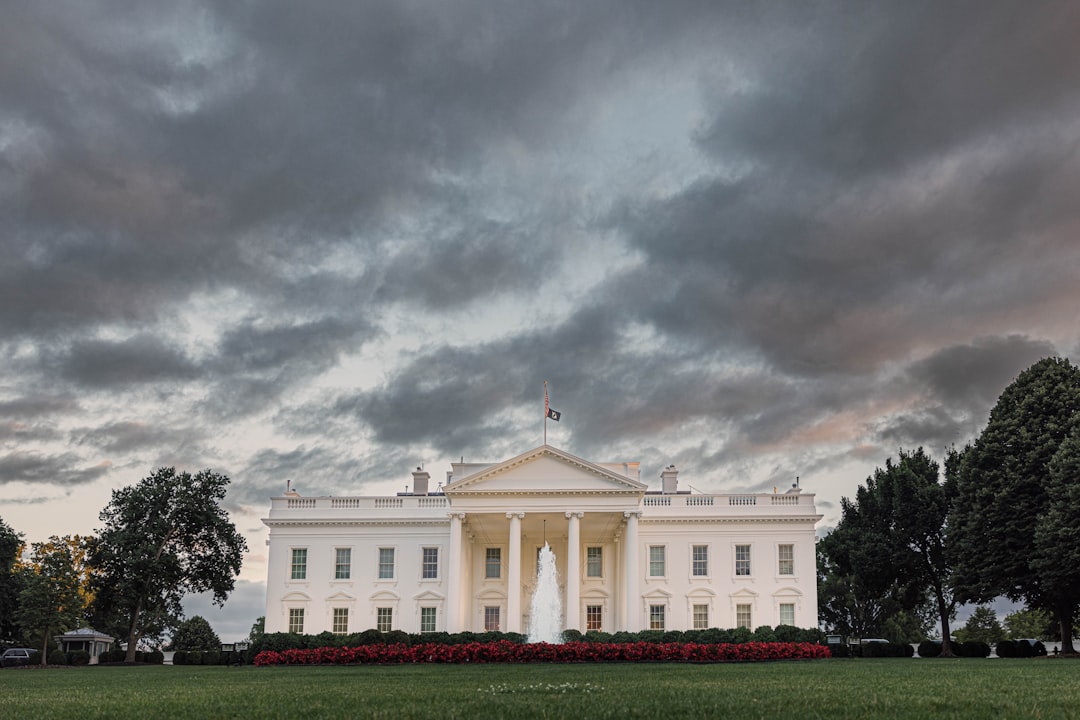
As the Wall Street Journal (WSJ) reported on Monday (June 15), AI startup Anthropic has sent top members of its tech team to Washington over the weekend. Their mission? To strike a deal with the White House aimed at lifting or preventing restrictions on two of its products. While the full extent of the proposed restrictions isn’t public, the urgency of Anthropic’s deployment to the capital underscores the gravity of the situation. The possibility of an Anthropic Mythos ban is very real.
The core issue appears to be a direct governmental concern regarding specific AI offerings, suggesting a new, more granular level of regulatory engagement. Unlike broad policy discussions, this appears to target particular products, indicating a shift towards specific prohibitions rather than general guidelines. The fact that the White House is involved, rather than a specialized agency, also suggests a national security or systemic risk angle is being considered.
Date Anthropic’s negotiation efforts were reported by WSJ

Who Is Affected
- Anthropic: Directly facing a potential ban on key products, which could severely impact its revenue, market share, and investor confidence. The outcome will be a litmus test for its ability to navigate complex regulatory waters.
- The AI Industry Sector: This sets a stark precedent. If the White House can target specific AI products, every AI developer, from large tech companies to nascent startups, must now factor governmental product-level scrutiny into their R&D and deployment strategies.
- Compliance Teams / CFOs: Need to immediately review their AI product roadmaps and usage policies. The emerging regulatory crackdown means a proactive stance on AI ethics, safety, and transparency is no longer optional, but critical to market access.
- Venture Investors: Must reassess their AI portfolio risks. Investments in companies whose core products could face similar governmental bans or restrictions now carry significantly higher regulatory risk premiums.
The Regulatory Background
This situation isn’t unfolding in a vacuum. It aligns perfectly with a broader market trend of a “Regulatory Crackdown” on AI. Governments globally are grappling with how to oversee rapidly advancing AI technologies, particularly those with dual-use potential or broad societal impact. Historically, regulators have been reactive, but the speed and pervasiveness of AI are forcing a more proactive stance, often spearheaded by executive branches rather than legislative bodies, given the urgency.
What makes this case particularly compelling is the apparent targeting of specific products from a named entity. This isn’t about general AI principles or broad data privacy (though those are certainly under scrutiny elsewhere). This is about the operational specifics of AI models and their potential risks as perceived by the highest levels of government. It signifies an intent to move beyond framework discussions to direct intervention, potentially redefining the acceptable boundaries of AI innovation and deployment in the United States.
- Conduct an AI Product Risk Audit: Identify all AI tools, models, and products currently in use or development across your organization, assessing their potential for regulatory scrutiny based on current headlines.
- Engage Regulatory Counsel: Proactively consult with legal and compliance experts specializing in AI regulation to understand evolving frameworks and potential impacts on your specific operations.
- Develop a Public Policy Engagement Strategy: For companies deeply invested in AI, consider dedicating resources to engaging with policymakers and contributing to the AI regulatory dialogue, rather than merely reacting to it.
Deadlines and Next Steps
- Monday (June 15): The Wall Street Journal (WSJ) reported on Anthropic’s efforts to strike a deal with the White House. This is a crucial reference point for the ongoing discussions.
- Ongoing: Anthropic’s tech team continues negotiations in Washington, with the immediate future of its products, including Mythos, hanging in the balance. Investors and strategy heads should expect further developments to emerge from these talks.
Global Market Angles
Asia
While the immediate spotlight is on the US, Asian regulators, particularly in China and Singapore, are closely watching. China’s robust regulatory framework for algorithms and content could see similar product-level interventions if deemed necessary for national security or social stability. A firm stance in the US could embolden similar moves elsewhere, impacting global AI market access.
Europe
The European Union’s AI Act is arguably the most comprehensive AI regulation globally, and this US situation could influence its implementation. While the EU Act focuses on risk-based categories, a direct product ban in the US on specific models like Mythos could prompt European policymakers to consider more granular enforcement mechanisms or specific product certifications, adding another layer of compliance for AI developers operating across continents.
US
The US market is at a crossroads. This direct intervention by the White House signals a departure from a purely “light-touch” regulatory approach. The outcome for Anthropic will not only set a precedent for future AI product governance but could also accelerate legislative efforts. Expect increased calls for mandatory “red teaming” and independent audits for high-impact AI models, potentially leading to a more formalized federal AI agency or expanded powers for existing bodies.
The Contrarian Take
Here’s what nobody’s saying about this:
While everyone is scrambling about a potential Anthropic Mythos ban and the chilling effect on innovation, let’s consider the upside. This high-profile intervention, however painful for Anthropic, could actually be a circuit breaker for the “AI Wild West” mentality. For too long, the industry has pushed boundaries with minimal oversight, creating systemic risks. A direct, clear signal from the highest office could force a much-needed maturity in the AI development process, pushing capital towards genuinely safe and responsible AI. The companies that bake in compliance and ethics from day one will emerge stronger, commanding greater trust and, ultimately, larger market shares. This isn’t just about preventing harm; it’s about building a more resilient, trustworthy AI industry.
What Finance Leaders Should Watch
This isn’t an isolated incident. The engagement between Anthropic and the White House is likely the tip of a much larger iceberg. We are entering a phase where national security interests, ethical considerations, and economic competitiveness will collide in the regulatory arena for AI. Finance leaders should monitor not just the outcome for Anthropic, but the specific legal and policy mechanisms the White House might employ. Will it be executive orders, agency guidance, or the threat of legislation that drives compliance?
Furthermore, keep a keen eye on how this impacts the appetite for AI investment, especially in frontier models. A precedent for direct product intervention could chill innovation, or conversely, drive it towards more regulated, “safe” AI development. CFOs and investors need to understand that the days of unchecked AI expansion are likely over. Risk assessments now require a political and ethical overlay that wasn’t previously central to the valuation of AI assets.
The Bottom Line
The ongoing efforts by Anthropic to negotiate with the White House over a potential Anthropic Mythos ban underscore a critical shift in AI regulation. This direct, high-level intervention signals a new era where specific AI products, not just broad policies, face government scrutiny and potential restriction. CFOs, investors, and strategy leaders must recognize this as a potent warning sign, demanding immediate reassessment of AI-related risks and a proactive strategy for compliance and engagement with evolving regulatory landscapes. The outcome will shape market access and innovation for years to come.
Frequently Asked Questions
What is the significance of the White House’s involvement?
The White House’s direct involvement signals that concerns over AI are now considered a matter of national importance, potentially related to national security, economic competitiveness, or systemic risk. This elevates the regulatory discussion beyond typical agency-level oversight, suggesting more profound and potentially swift interventions.
How might a ban impact other AI startups?
A ban on Anthropic’s products, particularly Mythos, would establish a powerful precedent. It would clearly indicate that the government is willing to intervene at the product level, forcing other AI startups to integrate stricter ethical, safety, and compliance measures into their development cycles from inception to avoid similar fates.
What steps should investors take regarding their AI portfolios?
Investors should immediately reassess their AI portfolio companies for regulatory risk. This includes evaluating the transparency, safety protocols, and potential dual-use applications of their AI products. Proactive engagement with portfolio companies on their regulatory preparedness will be crucial for mitigating future downside risk.
Has a fine been imposed on Anthropic yet?
No, a fine has not been imposed on Anthropic at this stage. The current situation revolves around negotiations to prevent potential restrictions or a ban on its products, including Mythos. The focus is on pre-emptive action rather than punitive measures.
What is “Mythos” and why is it a target?
Mythos is a specific AI offering from Anthropic, though its exact technical details and capabilities remain largely undisclosed to the public. The fact it’s being targeted suggests it’s perceived by regulators to pose particular risks, potentially related to its functionality, data handling, or potential for misuse.
Related Reading
- Claude’s Ban: A Gift to Open-Source AIInvestment AI
- Why AI Hallucinations Doom Banking TransformationAI in Banking
- Social Security: Why Your “Fix” Is DoomedRegulatory Updates