Executive Summary
1,088 words · 4 min read
- Key figures: $4 billion Australian dollars, All three, $4 billion Australian dollars
- The Headline Number: Suspected mortgage fraud in Australia due to AI-generated documents.
- 5 Key Findings: Key mortgage documents (payslips, bank statements, tax returns) now reproducible by AI.
In This Article
The Australian mortgage market faces a potential $4 billion Australian dollars hit from AI-generated fraud, signalling a critical vulnerability in traditional AI mortgage verification systems.
Key Takeaways
- Generative AI can now create highly convincing fraudulent financial documents, bypassing standard mortgage verification checks.
- This poses a direct and immediate financial exposure risk for lenders, potentially reaching billions.
- Traditional document-based underwriting is now fundamentally challenged, requiring rapid technological adaptation.
- CFOs must immediately audit their fraud detection capabilities against advanced AI-generated threats.
The Headline Number
Suspected mortgage fraud in Australia due to AI-generated documents.
This staggering figure, approximately $2.8 billion USD, is what the Australian mortgage market may be facing in suspected fraud, directly attributable to the rise of sophisticated AI-generated documents. It’s not a projection of future risk, but an emerging estimate of current exposure, highlighting a profound and immediate breakdown in conventional verification safeguards.

5 Key Findings
Finding 1: AI Undermines Document-Based Verification
Key mortgage documents (payslips, bank statements, tax returns) now reproducible by AI.
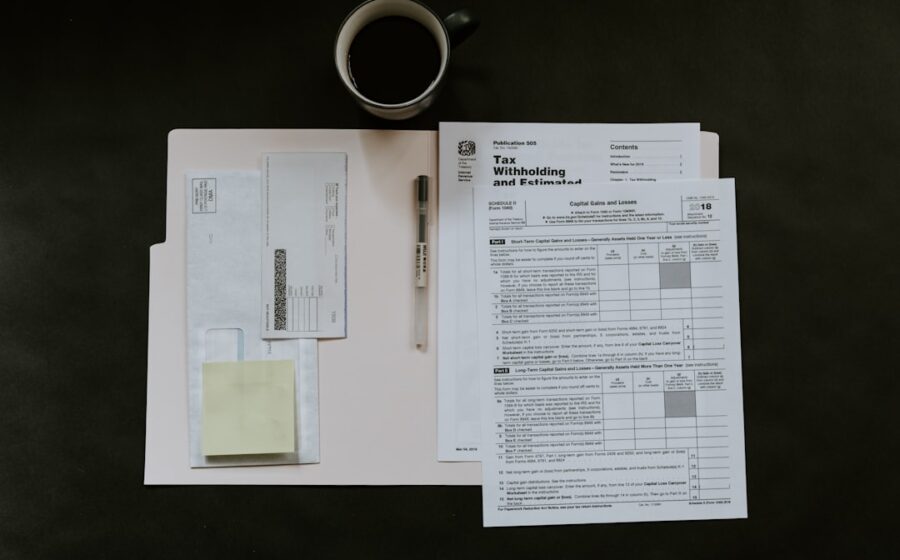
Generative AI can now flawlessly produce payslips, bank statements, and tax returns that bypass standard authentication processes. This means the very bedrock of mortgage underwriting—documentary evidence—is compromised.
Finding 2: Significant Market Exposure
Total estimated suspected fraud in the Australian mortgage market.
The direct financial fallout is substantial, with Australia‘s mortgage market facing up to $4 billion Australian dollars in potential fraud. This figure is a wake-up call, indicating that the threat is not theoretical but already quantifiable.
Finding 3: Dollar Equivalent Exposure
USD equivalent of the suspected fraud in Australia.
For international lenders and investors, the $2.8 billion USD equivalent underscores that this is not just a regional issue but a global systemic risk. The methods employed by fraudsters in Australia will inevitably spread.
Finding 4: The Core Vulnerability
Current mortgage verification processes are insufficient against AI-generated fraud.
The critical flaw is that these AI-generated documents “pass standard checks.” This indicates a fundamental gap between existing anti-fraud measures and the advanced capabilities of generative AI, which traditional systems were simply not designed to detect.
Finding 5: Organized Threat Actor Presence
The nature of fraud, suggesting sophisticated and coordinated efforts.
The mention of “organized” fraud suggests that this isn’t just about individual opportunistic attempts. Coordinated criminal enterprises are leveraging AI, implying a rapid scaling of sophisticated fraud techniques across the market.

What the Data Really Says
What regulators are really signalling here is a complete paradigm shift in fraud detection. The “AI Infrastructure Boom” isn’t just about efficiency; it’s also about empowering malicious actors. The ability of generative AI to mimic authentic financial documents—payslips, bank statements, tax returns—with such fidelity that they “pass standard checks” isn’t an incremental challenge. It’s an existential threat to the legacy systems underpinning mortgage underwriting globally. This isn’t theoretical hype; this is a quantified risk, with Australia now serving as a canary in the coal mine, absorbing a potential $4 billion Australian dollars (or $2.8 billion USD) hit.
The part compliance teams should read twice is the implication for systemic risk. If a single market like Australia can face such exposure, the global financial system, heavily reliant on document verification for myriad loan types, is equally vulnerable. This isn’t merely about tweaking existing fraud models; it demands a wholesale re-evaluation of digital identity, document authenticity, and the due diligence processes that underpin lending decisions. The era of assuming documents are legitimate unless proven otherwise is over; the new standard must be “guilty until proven innocent” for digital submissions, necessitating advanced AI-driven counter-fraud measures.
Methodology Note
Implications for CFOs and Finance Leaders
- Immediate Risk Assessment: Mandate an urgent audit of all current document verification systems, particularly those exposed to mortgage or other loan origination, for vulnerabilities to AI-generated fakes.
- Investment in Counter-AI: Prioritise significant budget allocation for AI-driven fraud detection tools that specialize in identifying synthetic media and document forgery.
- Enhanced Due Diligence: Implement multi-factor verification beyond document review, incorporating behavioral biometrics, liveness detection, and cross-referencing with diverse, independent data sources.
- Regulatory Engagement: Proactively engage with local and international regulators to shape evolving policies around AI-driven fraud and ensure clear, enforceable standards for digital document authenticity.
- Operational Resilience: Develop incident response plans specifically for large-scale AI-powered fraud events, understanding that the velocity and volume of attacks can rapidly overwhelm traditional teams.
- Convene a cross-functional task force (compliance, risk, IT) to evaluate AI-generated document threats.
- Demand proof-of-concept demonstrations from fintech vendors specializing in AI-powered fraud detection.
- Educate underwriting and compliance teams on the sophisticated nature of new AI-driven forgery techniques.
The Bottom Line
The era of relying solely on visual or basic digital checks for mortgage documents is demonstrably over. The Australian market’s $4 billion Australian dollars exposure to AI-generated fraud underlines that lenders must urgently upgrade their defences against sophisticated synthetic documents. Effective AI mortgage verification is no longer a competitive advantage; it’s a critical necessity to avoid systemic financial losses and maintain market integrity.
Frequently Asked Questions
What specific documents are being faked with AI?
Generative AI is currently capable of producing highly convincing fraudulent payslips, bank statements, and tax returns. These documents are often indistinguishable from legitimate ones to the naked eye and can bypass standard digital verification checks, directly targeting the core evidence used in mortgage underwriting.
Why is Australia seeing this level of fraud first?
While the source material doesn’t specify why Australia is reporting this first, it’s common for specific markets to become early indicators of emerging fraud trends due to local market dynamics, regulatory environments, or the presence of sophisticated organized crime groups leveraging new technologies.
What is the primary financial implication for lenders?
The primary financial implication is direct loan losses from approvals based on fraudulent income or asset verification. Beyond that, lenders face reputational damage, increased regulatory scrutiny, and the significant cost of overhauling their existing fraud detection and compliance infrastructure to combat AI-powered threats.
Related Reading
- AI Avatars: Why Your Bank’s “Innovation” Won’t WorkAI in Banking
- AI’s Banker Threat: A Total MythRegulatory Updates
- What is PSD2? Europe’s Open Banking Law ExplainedRegulatory Updates
PM
Priya Mehta
Senior Financial Journalist & Regulatory Correspondent
Priya Mehta is GrowStream Media’s regulatory and opinion voice, specialising in fintech policy, central bank decisions, and the intersection of AI with financial compliance. She holds expertise in financial journalism covering APAC, EU, and US regulatory developments.