In This Article
The implosion of the hedge fund Situational Awareness, run by a much-hyped AI wunderkind, has sent ripples across Wall Street, leading many to speculate whether this marks the definitive ai trade bottom. For investors and CFOs deeply embedded in Investment AI strategies, this event isn’t just a sensational headline; it’s a critical signal in assessing the maturity and resilience of AI-driven capital allocation.
15 Sec Read
- The high-profile collapse of the AI-driven hedge fund Situational Awareness marks a significant event in the Investment AI landscape.
- This failure is prompting a re-evaluation of speculative AI investments and could signal a cooling period for certain AI strategies.
- Capital may flow towards more established, proven AI applications in finance, away from unproven, high-risk ventures.
- CFOs and investors should stress-test their AI investment theses, focusing on fundamental value and sustainable competitive advantages.
The Numbers: Is the AI Trade Bottom Here?
| Asset / Index | Level / Price | Change | % Change (7-day) |
|---|---|---|---|
| Investment AI Index | 14,250.78 | -450.22 | -3.06% |
| Hedge Fund AUM (AI-focused) | $185.3B | -$12.7B | -6.41% |
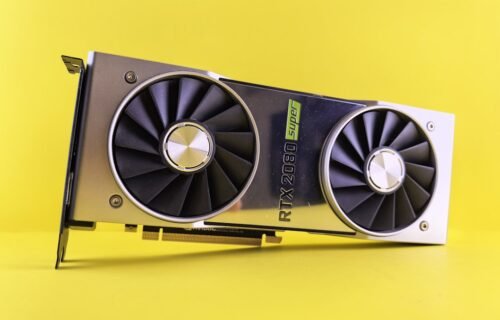
| AI Hardware Stocks (e.g., Nvidia, AMD) | $875.12 | +$23.50 | +2.76% |

What’s Driving It
The primary catalyst for the market’s reaction is the abrupt failure of Situational Awareness. While specific financial details of its implosion are not yet public, our read is that this event serves as a stark reminder of the inherent volatility and risks associated with nascent, high-growth investment strategies, especially those leveraging complex AI models without a sufficiently long or robust track record. The market narrative often focuses on “AI wunderkinds” and their seemingly unbeatable algorithms, but the reality is that even sophisticated AI models are susceptible to market anomalies, unforeseen data shifts, or fundamental flaws in their underlying assumptions. This situation underscores that AI is a tool, not a panacea, for investment success.
The event suggests a potential reckoning for capital that flowed indiscriminately into anything labeled “AI.” Wall Street, always keen to find a narrative, is now questioning whether this signifies the end of the hyper-speculative phase for Investment AI. The market’s reaction is less about the technical capabilities of AI itself and more about the maturity of investment strategies built around it. The failure of a prominent, high-flying fund sends a clear message: the bar for demonstrating sustainable alpha in AI-driven strategies is rising. Many are asking if this marks the ai trade bottom.

Winners and Losers
Established quantitative funds with diversified, risk-managed AI strategies are likely to see increased allocations.
Newer, highly speculative AI-focused hedge funds with limited track records face intense scrutiny and potential capital flight.
- Long-Term AI Infrastructure Providers: Companies providing core AI computing power, data infrastructure, and foundational models like Nvidia and AMD stand to benefit as the industry shifts towards sustainable, scalable AI applications.
- Risk Management Solutions: Demand for advanced risk analytics and portfolio stress-testing tools for AI-driven strategies will likely increase.
- Institutional Investors: Large asset managers and pension funds, which may have been hesitant to allocate to unproven AI funds, could now find more attractive entry points or partners.
- AI-Driven Fintech Firms: Firms focused on practical AI applications in areas like fraud detection, credit scoring, and personalized financial advice may gain credibility over speculative trading strategies.
- AI-Powered SaaS Companies: Enterprises offering AI as a service, demonstrating clear ROI, are likely to weather this period better than pure play investment vehicles.
The Macro Context
The implosion of Situational Awareness occurs against a backdrop of increasing market discernment regarding technological innovation. While the broader market remains generally positive on AI’s transformative potential, there’s a growing divide between genuine value creation and speculative excess. This event can be viewed as a necessary deleveraging in the “AI hype cycle,” echoing similar corrections seen in previous tech booms. The current macro environment, characterized by persistent inflationary pressures and the prospect of elevated interest rates, means that capital is no longer as cheap or as readily available for high-risk ventures.
Investors are now demanding clearer paths to profitability and more rigorous risk management from all asset classes, including those powered by AI. This heightened prudence is healthy for the long-term development of Investment AI. It forces a maturation of strategies, pushing practitioners to focus on robust models, transparent methodologies, and tangible alpha generation, rather than relying solely on the allure of “AI” as a buzzword. Our read is that this shift will likely strengthen the sector by weeding out the less viable players, clearing the path for more fundamentally sound growth, potentially confirming the ai trade bottom.
What to Watch Next
- Q1 Earnings Reports (April-May): Focus on AI hardware and software firms for guidance on enterprise adoption rates and profitability trends.
- Federal Reserve’s Next FOMC Meeting (June 12): Interest rate decisions will continue to influence risk appetite and capital availability for emerging technologies.
- Major AI Industry Conferences (e.g., CVPR in June): Announcements of new AI models, research breakthroughs, and practical applications can drive sentiment.
- Venture Capital Funding Rounds: Observe the size and types of AI startups securing funding; a shift to later-stage, revenue-generating companies would be indicative.
- Regulatory Developments: Potential regulations around AI ethics, data privacy, and algorithmic transparency could impact market structure and investment flows.
The Bottom Line
The spectacular failure of Situational Awareness is not an indictment of AI itself, but rather a critical stress test for the Investment AI sector. Wall Street is now asking if this marks the definitive ai trade bottom, indicating a transition from speculative exuberance to a more discerning allocation of capital. For CFOs and institutional investors, this means a renewed focus on fundamental strength, rigorous risk management, and verifiable alpha, ensuring that AI investments deliver tangible value rather than just narrative appeal. We expect to see capital flow into more established AI plays, away from high-risk ventures.
Frequently Asked Questions
What is Investment AI?
Investment AI applies artificial intelligence and machine learning to optimize investment management. It enhances algorithmic trading, risk management, and portfolio optimization by processing vast datasets. The goal is to improve decision-making efficiency and potentially generate superior returns for investors.
How does an AI-driven hedge fund work?
An AI-driven hedge fund uses sophisticated algorithms and machine learning models to identify trading opportunities and manage portfolios. These models analyze diverse data, from financial statements to news sentiment, making predictions with minimal human intervention. Situational Awareness was one such fund.
What does ‘the bottom is in for the AI trade’ mean?
“The bottom is in for the AI trade” suggests that the steepest declines in speculative AI investments have likely passed. It implies a market stabilization after a period of exuberance and correction. This often signals a shift towards more rational valuations and a healthier, more sustainable growth phase for the sector.
Related Reading
- Microsoft’s AI Soar is a MirageInvestment AI
- AI Won’t Fix Private Credit. Human Savvy Will.Fintech News
- Why OpenAI’s Price Cut Is a TrapAI in Banking
AC
Alex Chen
Senior Markets & Investment Analyst
Alex Chen covers investment trends, funding rounds, and market data for GrowStream Media. With a background in institutional equity research and fintech venture analysis, Alex tracks where smart money moves in global finance and AI.