In This Article
The escalating energy demands of artificial intelligence are not just a technological challenge; they are actively reshaping global infrastructure and driving a profound industrial investment cycle that CFOs and institutional investors must understand.
Key Takeaways
- Schneider Electric’s SE Ventures fund is allocating 1 billion Euro to startups that are building the physical layer of the AI economy.
- This investment signals a critical shift towards addressing the energy and infrastructure constraints of AI, moving beyond pure software plays.
- Companies in data center infrastructure, grid resilience, robotics, and industrial AI stand to benefit significantly from this reindustrialization trend.
- CFOs should assess exposure to physical infrastructure assets and energy management solutions as AI scales, identifying both opportunities and risks.
The Plain-English Definition
An industrial investment cycle refers to a period where significant capital is channeled into physical infrastructure, manufacturing capabilities, and industrial technologies. It’s driven by fundamental shifts in demand or technology, leading to sustained growth and modernization across sectors like energy, automation, and supply chains. For finance professionals, identifying these cycles early can unlock substantial strategic advantages.

How It Works — Step by Step
- AI Demand Escalates — The rapid adoption and scaling of AI applications drive immense computational requirements and, consequently, unprecedented energy consumption.
- Energy Infrastructure Strained — Existing data centers and power grids struggle to meet this surging demand, leading to bottlenecks and exposing vulnerabilities in the physical layer.
- Investment Shifts to Physical Layer — Capital flows from traditional software-focused AI ventures towards companies innovating in energy management, grid resilience, and advanced industrial automation.
- Reindustrialization Accelerates — The need for robust physical infrastructure to support AI computation drives a new wave of investment in industrial technology, including robotics and specialized hardware.
- New Industrial Investment Cycle Emerges — This sustained, high-value investment into foundational industrial and energy sectors creates a distinct economic cycle, opening new opportunities for specialized funds and institutional investors.

A Real-World Example
Schneider Electric, a company with a history spanning nearly two centuries, evolving from a 19th century steel and heavy machinery firm, exemplifies this shift. Through its 1 billion Euro venture fund, SE Ventures, the firm is explicitly targeting startups that underpin the AI economy. Amit Chaturvedy, who joined SE Ventures from leading corporate investments at Cisco, noted to Crunchbase News that the biggest opportunities extend beyond software into data center infrastructure, grid resilience, and industrial AI, directly funding the reindustrialization necessary for AI’s future.
Why Finance Professionals Are Paying Attention
The financial landscape is currently grappling with a fundamental paradox: while AI promises unprecedented efficiency and growth, its physical footprint is becoming an increasingly defining constraint. For CFOs and institutional investors, understanding this dynamic isn’t optional; it’s critical for effective capital allocation and risk management. The shift away from pure software plays towards the “physical layer” – data centers, power grids, and industrial automation – represents a seismic recalibration of where value is created and captured in the AI era.
What regulators are really signalling, through statements and emerging policy, is that robust, resilient infrastructure will be paramount. This means that financial models must incorporate the escalating costs and supply chain complexities of physical assets, not just software development. Funds like SE Ventures are not simply making opportunistic bets; they are strategically positioning themselves to capitalize on a macro trend that will redefine industrial capacity and energy demand for decades. This necessitates a proactive approach to portfolio assessment, identifying companies with strong intellectual property in energy management, advanced materials, and sustainable industrial processes.
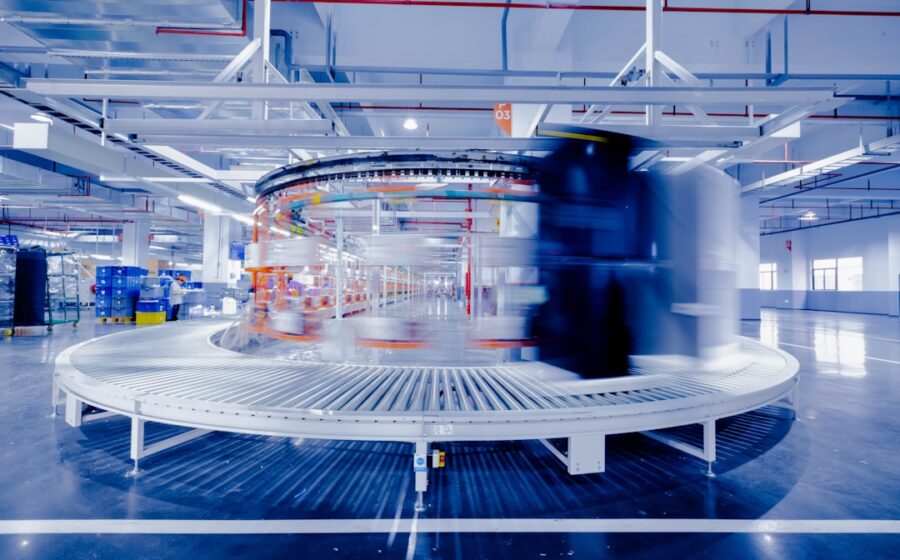
Committed by SE Ventures to industrial technology and grid resilience startups, reflecting AI’s reindustrialization imperative.
Common Misconceptions
- Myth: AI investment is primarily about software and algorithms. Reality: While software is crucial, the escalating energy demands of AI are driving significant capital into physical infrastructure, hardware, and industrial technologies, shifting focus to the underlying physical economy.
- Myth: Energy costs are a minor consideration for AI development. Reality: Energy has become AI’s defining constraint, impacting data center locations, operational costs, and the viability of large-scale AI deployment. This is a primary driver of the current industrial investment cycle.
- Myth: The “green” transition for AI is a long-term, optional goal. Reality: Grid resilience and sustainable energy solutions for AI infrastructure are becoming immediate, mandatory requirements for scalability and regulatory compliance, particularly across APAC, EU, and US markets.
The Landscape
Key Players
- Schneider Electric: A global leader in energy management and automation, driving investment through its SE Ventures fund into AI’s physical infrastructure.
- SE Ventures: Schneider Electric’s venture capital arm, with 1 billion Euro under management, focused on startups in industrial technology, grid resilience, and AI’s physical layer.
- Amit Chaturvedy: Principal at SE Ventures, formerly of Cisco, specializing in investments at the intersection of AI and industrial technology.
- Gigascale Capital: A fund founded by ex-Meta CTO Mike Schroepfer, focusing on investments in foundational infrastructure and sustainable technologies.
- Playground Global: An early-stage venture fund with a strong track record in deep tech and hardware, where Peter Barrett is a long-term investor.
Regulation and Standards
Regulators globally, from the EU’s AI Act to emerging frameworks in the US and APAC, are increasingly scrutinizing the energy footprint of AI. This isn’t just about data privacy or bias; it’s about physical impact. We’re seeing pressure on data center operators to disclose energy consumption, mandates for using renewable sources, and incentives for smart grid technologies. The part compliance teams should read twice is the subtle but growing expectation that AI infrastructure development aligns with national energy security and climate goals, which will influence permitting, subsidies, and even cross-border data flow agreements.
The Bottom Line
The AI boom is not just about chips and code; it’s profoundly about atoms and kilowatts. The significant capital flowing into data center infrastructure, grid resilience, and industrial automation, exemplified by Schneider Electric’s 1 billion Euro SE Ventures fund, signifies a clear new industrial investment cycle. For CFOs and investors, this means the opportunities and risks are shifting from purely digital ventures to the tangible, physical backbone supporting AI. Understanding this reindustrialization is crucial for navigating market trends and making informed strategic decisions.
Frequently Asked Questions
What is driving the energy demand for AI?
The complexity and scale of AI models, particularly large language models and deep learning, require massive computational power. This translates directly into substantial electricity consumption for processing, cooling, and operating vast data centers, making energy a core bottleneck.
How does this impact institutional investors?
Institutional investors must re-evaluate their portfolios for exposure to companies innovating in energy efficiency, grid technologies, and industrial automation. This creates new opportunities in sectors that might previously have been seen as less “tech-forward” but are now critical to the AI economy’s scalability.
Are there geographical differences in this trend?
Absolutely. Regions with robust energy grids and access to renewable sources, or those heavily investing in such infrastructure, may gain a competitive advantage in attracting AI development. Regulatory environments, particularly those incentivizing green energy and grid modernization, also play a significant role.
Related Reading
- AI’s Energy Thirst: Why Your Utility Stocks Face PerilInvestment AI
- DeepSeek IPO Freeze: AI Bubble Bursting?Fintech News
- AI’s $724B Bill: Why Investors Are DelusionalAI in Banking
PM
Priya Mehta
Senior Financial Journalist & Regulatory Correspondent
Priya Mehta is GrowStream Media’s regulatory and opinion voice, specialising in fintech policy, central bank decisions, and the intersection of AI with financial compliance. She holds expertise in financial journalism covering APAC, EU, and US regulatory developments.