In This Article
Washington is signaling increased volatility for institutional crypto investment, as the prospect of meaningful regulation this year faces significant legislative headwinds. The sudden reduction in legislative days directly threatens the passage of a critical crypto bill senate leaders were hoping to advance, injecting greater uncertainty into a market already under intense scrutiny.
Key Takeaways
- House Republican leaders have cut eight legislative days, putting crypto regulation on thin ice for 2023.
- This legislative bottleneck means continued regulatory ambiguity, impacting institutional investment confidence.
- The market faces prolonged uncertainty, hindering mainstream adoption and innovation in the U.S.
- CFOs and investors must prepare for a fragmented regulatory landscape and potential state-level actions.
Severity Assessment
While no immediate enforcement action or direct penalty has been issued, the impact of stalled legislation translates to sustained market uncertainty. This “regulatory vacuum” severity rating stems from the potential for delayed institutional adoption, increased operational risk for firms operating in the U.S., and the likelihood of a continued “regulation by enforcement” approach from agencies.

What Happened
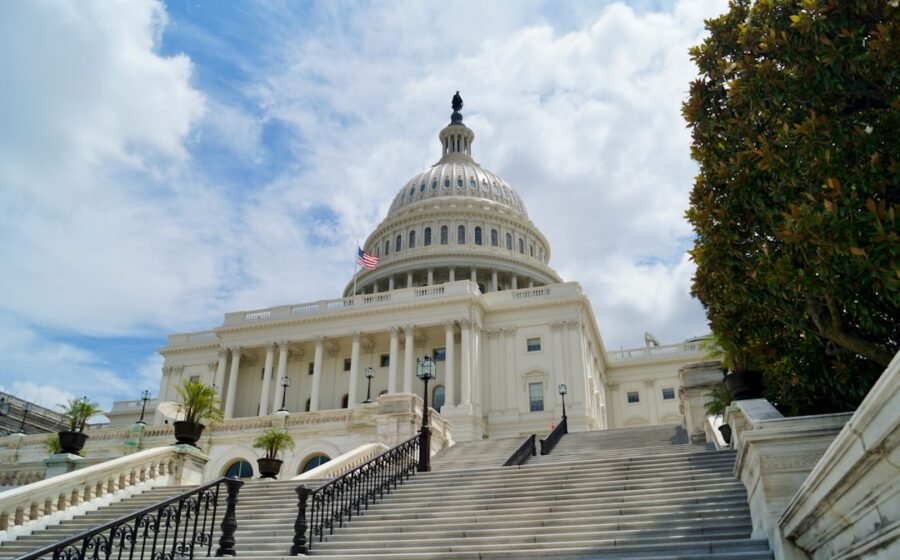
House Republican leaders in Washington have dramatically curtailed the legislative calendar, announcing the cancellation of voting sessions for the final two weeks of September. This abrupt change removes eight legislative days from the schedule and means representatives are now set to leave Washington by Sept. 17. This move directly impacts the timeline for any significant legislative action, including the potential passage of a federal crypto bill senate leaders were eyeing.
The shortened legislative window creates a significant hurdle for any substantial progress on comprehensive crypto regulation this year. The reduced time on the floor makes it far less likely that any new federal framework for digital assets will advance through the House and gain traction in the Senate before the year’s end. This legislative slowdown translates directly into increased uncertainty for institutional investors and companies operating in the digital asset space.
Number of legislative days cut from the House schedule in September.

Who Is Affected
- Institutional Investors: Directly affected by prolonged regulatory ambiguity, making large-scale crypto allocations and strategic planning more challenging due to unclear legal frameworks.
- Digital Asset Industry: Faces continued uncertainty regarding market structure, licensing requirements, and consumer protection rules, potentially hindering innovation and expansion within the U.S.
- Compliance teams / CFOs: Must navigate a fragmented and evolving regulatory landscape, increasing the burden of risk assessment and the need to adapt to potential state-level or agency-specific guidance without clear federal oversight.
- Consumers/customers: May experience slower adoption of secure, regulated crypto services and continued exposure to risks associated with unregulated platforms as comprehensive protections are delayed.
The Regulatory Background
This legislative slowdown occurs against a backdrop of an ongoing “regulatory crackdown” on the digital asset sector. While no specific rule was violated by the House’s scheduling decision, the broader regulatory environment sees agencies like the SEC and CFTC actively pursuing enforcement actions under existing securities and commodities laws, respectively. This pattern reflects a strategy of “regulation by enforcement” in the absence of tailored, comprehensive legislation.
The lack of a unified federal approach forces firms to interpret and comply with a patchwork of state laws and federal agency guidance, often leading to conflicting mandates. The inability to move a federal crypto bill senate or House through Congress means this fragmented approach will persist, leaving critical areas like stablecoin regulation, market structure, and digital asset custody without clear legislative direction. This regulatory stasis poses significant operational and legal risks for firms seeking to engage with digital assets at scale.
- Conduct scenario planning for continued regulatory ambiguity, including potential state-level legislative initiatives and increased agency enforcement actions.
- Strengthen internal compliance frameworks to align with existing securities and commodities laws, even in areas awaiting specific crypto legislation.
- Engage with industry associations and legal counsel to stay abreast of legislative developments and advocate for clearer regulatory frameworks.
Deadlines and Next Steps
- Final two weeks of September: House voting sessions canceled, reducing legislative opportunities.
- Sept. 17: Representatives are scheduled to leave Washington, effectively ending immediate legislative progress.
The Bottom Line
The House’s decision to cut eight legislative days for the final two weeks of September significantly dims the prospects for a federal crypto bill senate and House leaders hoped to pass this year. This prolongs regulatory uncertainty for CFOs and investors, demanding proactive risk management and adaptation to a fragmented regulatory landscape. Expect increased pressure on firms to comply with existing frameworks while awaiting future clarity.
Frequently Asked Questions
Why is the reduction in legislative days significant for crypto regulation?
Fewer legislative days mean less time for debate, amendments, and voting on complex bills like crypto regulation. This reduced window dramatically lowers the chance for a comprehensive federal framework to pass through both the House and Senate before the end of the current legislative session, perpetuating market uncertainty.
How does this affect institutional investment in crypto?
Institutional investors thrive on regulatory clarity and stability. The continued absence of a unified federal crypto framework means higher compliance costs, increased legal risks, and greater operational challenges, which can deter significant capital inflows into the digital asset space in the U.S.
What should companies in the crypto space do given this uncertainty?
Companies should focus on strengthening their existing compliance programs to meet current federal securities and commodities laws, even without specific crypto legislation. They should also closely monitor state-level regulatory developments and prepare for potential “regulation by enforcement” actions from federal agencies as legislative solutions stall.
Related Reading
- Why Crypto Banks Will FailCrypto & Web3
- Blockchain Won’t Transform Banking (Yet)Fintech News
- FDIC’s Fatal Flaw: Why Banks Won’t Get Business CashRegulatory Updates
PM
Priya Mehta
Senior Financial Journalist & Regulatory Correspondent
Priya Mehta is GrowStream Media’s regulatory and opinion voice, specialising in fintech policy, central bank decisions, and the intersection of AI with financial compliance. She holds expertise in financial journalism covering APAC, EU, and US regulatory developments.