
In This Article
The **US Treasury** has taken decisive action, sanctioning two **Iranian firms** for their alleged role in facilitating illicit financial activities, with one, **Hormuz Safe**, specifically accepting **Bitcoin** and other digital assets for services related to passage through the Strait of Hormuz. This move intensifies the regulatory crackdown on the use of cryptocurrencies for sanctions evasion, creating a critical precedent for financial institutions managing digital assets and scrutinizing **iranian firms bitcoin** transactions.
Key Takeaways
- The **US Treasury’s OFAC** sanctioned two **Iranian firms**, including **Hormuz Safe**, for accepting cryptocurrencies like **Bitcoin** in illicit transactions.
- Financial institutions must enhance their AML and sanctions compliance frameworks for digital asset transactions to avoid exposure to similar risks.
- The action signals a broadening of regulatory enforcement, directly impacting crypto exchanges, traditional financial services, and companies with international dealings.
- CFOs and compliance officers should immediately review their digital asset transaction monitoring protocols and counterparty due diligence for red flags related to sanctioned entities.
Severity Assessment
This action carries **Critical** severity, not due to a specific monetary penalty, but because it establishes a clear precedent for the direct sanctioning of entities for accepting digital assets like **Bitcoin** in illicit activities. The implications extend across the entire financial ecosystem dealing with cryptocurrencies, signaling a zero-tolerance approach from the **US Treasury** towards sanctions evasion facilitated by digital assets, which demands immediate attention from compliance teams and CFOs.

What Happened: Focus on Iranian Firms Bitcoin Transactions
The **US Treasury’s Office of Foreign Assets Control (OFAC)** recently announced sanctions against two **Iranian firms**, including **Hormuz Safe**. The enforcement action stems from their alleged involvement in facilitating illicit activities, specifically the acceptance of cryptocurrencies for passage through the Strait of Hormuz. This marks a significant escalation in regulatory scrutiny, directly targeting the use of digital assets by sanctioned entities, particularly the practices of **iranian firms bitcoin** usage in illicit finance.
The statement from **OFAC** highlighted that **Hormuz Safe**
accepts payment in Bitcoin and other digital assets.
This explicit mention underscores the regulatory focus on tracing and disrupting financial flows, even when they involve pseudonymous cryptocurrencies. While no specific penalty amount was disclosed, the sanction itself means that any assets of these firms under **US** jurisdiction are blocked, and **US** persons are generally prohibited from engaging in transactions with them. This deepens the scrutiny on how **iranian firms bitcoin** and other crypto assets are utilized.
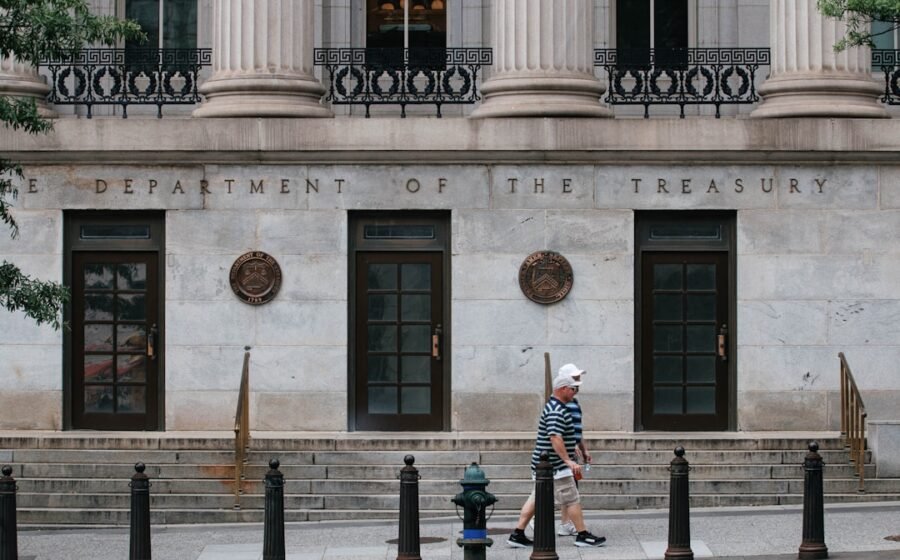
Iranian firms sanctioned by OFAC

Who Is Affected
- Hormuz Safe and other Iranian firms: These entities are directly impacted by the sanctions, facing severe restrictions on their ability to conduct international financial transactions, particularly those involving the **US** financial system.
- Crypto exchanges and wallet providers: This sets a precedent for increased pressure to implement robust KYC/AML checks and sanctions screening for all digital asset transactions, especially those with any nexus to high-risk jurisdictions or entities.
- Compliance teams / CFOs: These professionals in financial institutions, both traditional and crypto-native, must re-evaluate and strengthen their digital asset compliance frameworks. They need to ensure effective monitoring for transactions involving sanctioned entities or individuals, regardless of the asset type.
- Businesses engaging in international trade: Any company with global operations must enhance their due diligence on counterparties and payment methods to avoid inadvertent exposure to sanctioned entities or illicit financial flows, including those involving cryptocurrencies.
The Regulatory Background
This enforcement action by the **US Treasury** falls squarely under the broad authority of **OFAC** to administer and enforce sanctions programs. The underlying violation here is sanctions evasion, where digital assets are used to circumvent financial restrictions aimed at specific countries or entities. By explicitly naming **Bitcoin** and other digital assets, **OFAC** is signaling that the payment method does not provide a shield against enforcement.
This is not an isolated incident but rather a continuation of a broader market trend of escalating regulatory scrutiny on the use of cryptocurrencies for illicit activities. Global regulators, including the **US Treasury**, are increasingly sophisticated in their ability to trace digital asset transactions. This action reinforces the necessity for financial institutions to integrate digital asset transactions into their existing Anti-Money Laundering (AML) and Counter-Terrorism Financing (CTF) compliance frameworks, mirroring the vigilance applied to traditional fiat transactions.
- Implement real-time transaction monitoring solutions capable of flagging suspicious digital asset movements, especially those originating from or destined for high-risk jurisdictions.
- Conduct an immediate internal audit of all digital asset policies and procedures to ensure alignment with **OFAC** guidance and sanctions screening requirements.
- Provide enhanced training to compliance and risk management teams on identifying red flags associated with cryptocurrency-based sanctions evasion and the specific risks posed by **iranian firms bitcoin** use.
Deadlines and Next Steps
- Ongoing: Continuous monitoring and adaptation of compliance frameworks to align with evolving global digital asset regulations.
- Immediately: Internal review of all digital asset exposure and transaction histories for potential links to sanctioned entities.
The Bottom Line
The **US Treasury’s** action against **iranian firms bitcoin** use unequivocally signals a hardening regulatory stance on digital assets in illicit finance. For CFOs and institutional investors, this means a non-negotiable imperative to integrate robust digital asset compliance into existing AML frameworks. The cost of non-compliance, through reputational damage and direct sanctions exposure, far outweighs the investment in advanced transaction monitoring and due diligence for all digital asset interactions. Capital flows will increasingly be steered away from opaque or unregulated channels as enforcement broadens.
Frequently Asked Questions
What is OFAC’s stance on cryptocurrencies?
**OFAC** views cryptocurrencies as any other asset class subject to its sanctions authorities. The agency is actively working to identify and disrupt the use of digital assets for sanctions evasion, terrorism financing, and other illicit activities, demanding financial institutions treat them with the same regulatory rigor as traditional currencies.
How can financial institutions improve their crypto compliance?
Financial institutions should implement advanced blockchain analytics tools for transaction monitoring, enhance KYC/AML protocols to include digital asset wallets, conduct thorough risk assessments of crypto-related services, and provide ongoing training to staff on the evolving landscape of digital asset regulations and sanctions risks.
Does this sanction affect all Bitcoin transactions?
No, this sanction specifically targets transactions involving sanctioned entities like **Hormuz Safe** and other **Iranian firms**. It does not broadly affect all **Bitcoin** transactions but highlights the need for all participants in the digital asset ecosystem to conduct due diligence and comply with sanctions laws to avoid facilitating illicit finance.
Related Reading
- Stablecoins Are Dead: The Real Payments Future Is HereCrypto & Web3
- Blockchain: Banks’ Big Blunder?Crypto & Web3
- What is a CBDC? Central Bank Digital Currencies ExplainedFintech Explainers
AC
Alex Chen
Senior Markets & Investment Analyst
Alex Chen covers investment trends, funding rounds, and market data for GrowStream Media. With a background in institutional equity research and fintech venture analysis, Alex tracks where smart money moves in global finance and AI.
