In This Article
A staggering $4 billion funding round reportedly sought by Elon Musk’s The Boring Company at a $20 billion valuation is a stark signal. This isn’t just about tunnels; it’s about institutional appetites for high-risk infrastructure plays, even as operational challenges and regulatory issues mount. For CFOs and compliance leaders, understanding the implications of such significant capital raises, particularly in what some might call “boring company funding,” means looking past the headline valuation and into the operational dirt.
15 Sec Read
- The Boring Company is reportedly seeking $4 billion in new funding at a $20 billion valuation, a significant jump from $5.7 billion in 2022.
- This valuation surge signals continued investor belief in speculative infrastructure, despite a track record of operational safety concerns and regulatory breaches.
- High-growth infrastructure plays present both immense opportunity for early investors and substantial compliance and operational risks for those involved.
- CFOs and investors must conduct rigorous due diligence, weighing ambitious growth projections against regulatory compliance history and real-world operational safety. Understanding the nuances of “boring company funding” is crucial.
The Deal at a Glance: Decoding Boring Company Funding
$4 billion
N/A
$20 billion
N/A

Where the Money Goes
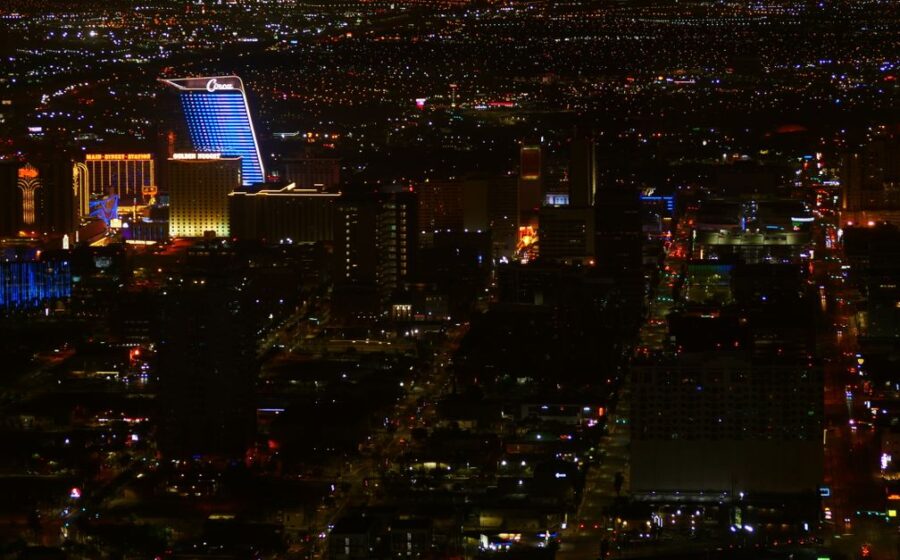
While The Boring Company has yet to formally announce the use of proceeds from this potential funding, the scale of the capital suggests ambitious expansion plans. Currently, the company operates a tunnel network under Las Vegas, shuttling customers in Teslas. Future capital infusion would likely fuel the development of proposed projects in new geographies, with public plans already announced for Nashville and Dubai.
Beyond these, the company has reportedly pitched projects in major U.S. cities like Baltimore, Chicago, and Los Angeles. Such large-scale infrastructure undertakings demand significant R&D for tunneling technology, substantial capital for machinery and labor, and considerable resources for navigating complex local regulatory landscapes and obtaining permits. This funding would theoretically accelerate project timelines and allow simultaneous development across multiple fronts, a costly endeavor. This type of significant “boring company funding” fuels expansion.

Who Benefits and Who Doesn’t
- The Boring Company: Gains substantial capital to accelerate expansion into new markets and further develop its tunneling technology, bolstering its position as a disruptive infrastructure player.
- Existing Investors: See a significant uplift in their holdings, with the valuation reportedly soaring from $5.7 billion in 2022 to $20 billion, representing a substantial paper gain.
- Regulatory Compliance Officers: Face increased scrutiny as The Boring Company’s expansion necessitates navigating diverse and complex environmental and safety regulations, given past violations cited by Nevada regulators.
- Prospective Project Cities: May benefit from proposed infrastructure improvements, but also bear the risk of potential operational disruptions, environmental concerns, and safety issues previously associated with The Boring Company’s projects.
What This Signals About the Market
The reported $20 billion valuation for The Boring Company signals a continued, almost aggressive, institutional appetite for high-growth, high-risk infrastructure ventures, even those with significant operational hurdles. My take is that smart money is still chasing “moonshot” projects, especially those tied to visionary founders like Elon Musk, despite a broader market slowdown and increased caution. This isn’t just a bet on tunnels; it’s a bet on the founder’s ability to overcome engineering, logistical, and regulatory challenges.
However, this trend also highlights a critical disconnect: the willingness of investors to overlook demonstrable operational risks and regulatory non-compliance in pursuit of exponential growth. We’ve seen The Boring Company cited for nearly 800 environmental violations by Nevada regulators and reports of serious worker injuries. For CFOs evaluating similar high-tech, capital-intensive infrastructure plays, this situation underscores the importance of looking beyond the pitch deck. You must scrutinize the regulatory track record and operational safety culture, not just the market potential. The recent dip in SpaceX’s stock post-IPO, another Musk venture, serves as a recent reminder that even highly anticipated IPOs can face market corrections, suggesting that investor sentiment can shift rapidly. This makes the optics of “boring company funding” particularly interesting.
The Bottom Line
The potential $4 billion funding for The Boring Company at a $20 billion valuation underscores persistent investor confidence in ambitious, capital-intensive projects, even those facing operational and regulatory challenges. For CFOs and institutional investors, this move signals that while “boring company funding” in infrastructure might seem safe on the surface, the due diligence must extend deep into compliance history and operational safety records. Valuations are soaring, but so are the risks, demanding a robust assessment of potential regulatory fines and reputational damage alongside projected returns.
Frequently Asked Questions
What are the key operational challenges The Boring Company faces?
The Boring Company faces significant operational challenges, including complex engineering hurdles for urban tunneling, managing large-scale construction, and ensuring worker safety. It has been cited by Nevada regulators for nearly 800 environmental violations, and its tunnel workers have suffered serious injuries, indicating a need for stringent operational oversight. This is crucial context for any “boring company funding” discussions.
How does this funding round compare to past valuations?
This potential $4 billion funding round would value The Boring Company at $20 billion. This is a substantial increase from its $5.7 billion valuation in 2022. The company was spun out of SpaceX in 2018, showing rapid valuation growth in a relatively short period, reflecting strong investor belief in its future.
What is the relevance of SpaceX in this context?
The Boring Company spun out of SpaceX in 2018, both founded by Elon Musk. While SpaceX recently had a significant IPO, its stock price has since dipped. This connection is relevant because investor sentiment towards one Musk venture can influence perceptions of others, highlighting the volatility even among highly valued entities.
Related Reading
PM
Priya Mehta
Senior Financial Journalist & Regulatory Correspondent
Priya Mehta is GrowStream Media’s regulatory and opinion voice, specialising in fintech policy, central bank decisions, and the intersection of AI with financial compliance. She holds expertise in financial journalism covering APAC, EU, and US regulatory developments.