In This Article
The White House is reportedly considering the creation of a new federal ai models regulator, a move that signals intensified scrutiny on artificial intelligence development and deployment. This potential enforcement action, first reported by Bloomberg News, directly impacts banks and other financial institutions currently integrating AI into their operations, forcing a re-evaluation of investment strategies and compliance frameworks.
Key Takeaways
- The White House is exploring establishing a dedicated federal regulator for AI safety, as reported by Bloomberg News.
- This initiative suggests an imminent tightening of regulatory oversight for financial institutions leveraging AI models.
- The shift could lead to increased compliance costs and a more cautious approach to AI innovation for companies like Anthropic and OpenAI, potentially impacting financial partnerships.
- CFOs and investment committees should begin auditing their AI deployments for potential compliance risks and future regulatory alignment.
Severity Assessment
This development warrants a HIGH SEVERITY rating. The creation of a dedicated federal regulator for ai models regulator signifies a systemic shift, not merely an isolated enforcement. It introduces a new layer of compliance complexity and potential operational hurdles for every financial institution leveraging AI, from risk management to customer service applications. The uncertainty around the scope and power of such a body could significantly impact strategic AI investments and partnerships in banking.

What Happened
On Friday, July 17, Bloomberg News reported that the White House is actively exploring plans to establish a new federal regulator focused exclusively on artificial intelligence safety. This initiative comes in response to growing concerns, including complaints from Silicon Valley firms, regarding the government’s current restrictions on advanced AI models developed by companies such as Anthropic and OpenAI.
The report, sourced from individuals familiar with the matter, indicates a pivot towards proactive federal oversight rather than reactive measures. While specific penalties or rulings have not yet been defined, the very contemplation of a new regulatory body signals an imminent era of increased scrutiny and compliance obligations for entities deploying AI technologies, particularly in sensitive sectors like finance. The PYMNTS.com article confirmed the broad stroke of this regulatory exploration.
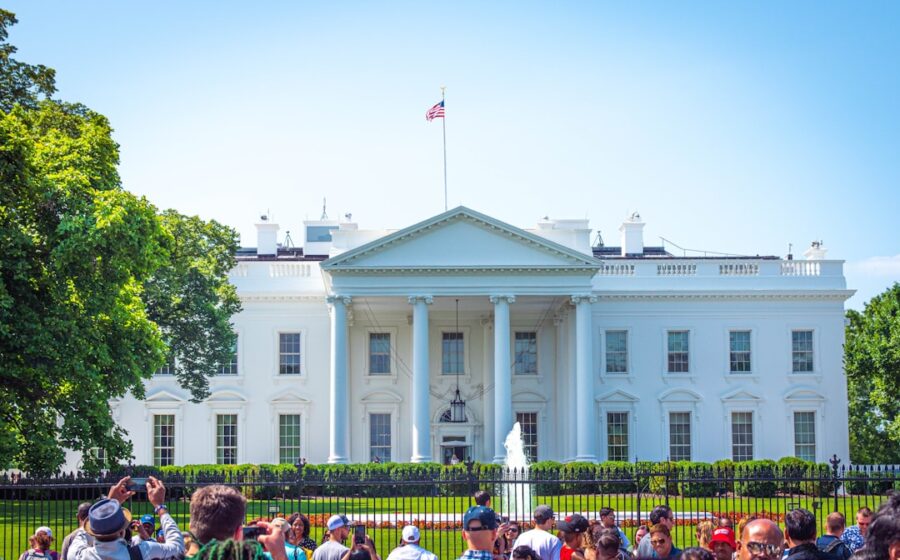
Potential new federal AI regulator under consideration by the White House.

Who Is Affected
- Anthropic & OpenAI: These leading AI developers, along with other Silicon Valley innovators, are directly affected by existing curbs and would face new compliance burdens under a dedicated AI regulator. This could impact their model development cycles and commercialization strategies, including partnerships with financial institutions.
- Banking & Financial Services Sector: Banks, asset managers, and fintech companies that integrate AI for fraud detection, credit scoring, algorithmic trading, or customer service will need to reassess their AI governance frameworks. This sets a precedent for increased external oversight on internal AI model validation and ethical use.
- Compliance Teams & CFOs: These leaders in financial institutions will bear the brunt of preparing for and navigating new regulations. They will need to allocate resources for comprehensive audits of AI deployments, potential data governance overhauls, and training to ensure adherence to yet-to-be-defined standards.
- Consumers/Customers: While not directly penalized, consumers could experience both benefits (enhanced AI safety and fairness) and potential drawbacks (slower innovation in AI-driven services, possibly higher costs passed on by banks).
The Regulatory Background
This proposed regulatory action is not a response to a specific rule violation but rather a preemptive measure to establish a framework for governing artificial intelligence. The current landscape of AI regulation is fragmented, with various agencies addressing AI’s impact within their existing mandates. The White House’s consideration of a unified ai models regulator reflects a recognition that current oversight is insufficient for the rapid advancements and pervasive integration of AI across critical sectors.
This move is part of a broader “Regulatory Crackdown” trend. Governments globally are grappling with how to manage the risks associated with AI, ranging from data privacy and algorithmic bias to national security implications. The reported complaints from Silicon Valley about existing government curbs highlight the tension between fostering innovation and ensuring public safety and ethical deployment. Establishing a dedicated regulator would consolidate these efforts, marking a significant escalation in the federal government’s approach to AI governance.
- Conduct an immediate internal audit of all AI/ML models currently in use or development, assessing data sources, bias potential, and explainability.
- Establish or reinforce an internal AI governance committee tasked with monitoring emerging regulations and developing a proactive compliance strategy.
- Engage with legal counsel to understand potential implications of federal AI oversight on existing contracts with AI providers like Anthropic or OpenAI.
Deadlines and Next Steps
- July 17: Bloomberg News reports the White House is exploring a new AI regulator. Financial institutions should view this as the initiation signal for internal preparation.
- Ongoing: Continuous monitoring of legislative proposals and executive orders from the White House is crucial for understanding the scope and timeline of any new AI regulatory body.
The Bottom Line
The White House’s exploration of a dedicated ai models regulator is a definitive signal that the era of self-regulation for AI in finance is nearing its end. Financial institutions must prepare for a future defined by rigorous oversight, increased compliance costs, and potentially slower innovation cycles. Proactive internal audits and strategic shifts in AI adoption are no longer optional but essential for mitigating risk and maintaining operational continuity as this new regulatory landscape emerges.
Frequently Asked Questions
What kind of AI applications in banking would be most impacted by a new regulator?
AI applications involving credit risk assessment, fraud detection, algorithmic trading, customer profiling, and personalized financial advice are likely to face the most scrutiny. These areas directly impact consumer financial well-being and market stability, making them priority targets for an ai models regulator focused on safety and fairness.
How might a new federal AI regulator affect banks’ partnerships with AI developers?
Banks’ partnerships with AI developers like Anthropic or OpenAI would likely require renegotiated terms to include new compliance clauses. Developers might need to provide more transparency into their models, undergo external audits, and adhere to specific safety standards, which could increase costs and development timelines for integrated solutions.
What specific steps can CFOs take now to prepare for potential AI regulation?
CFOs should allocate budget for enhanced AI governance and compliance teams, invest in AI ethics training for developers and business users, and ensure robust data lineage and model explainability frameworks are in place. Establishing clear metrics for AI model performance and fairness will also be critical for future reporting requirements.
Related Reading
- Dumbest Move of the Week — Week of July 19, 2026
- What is MiCA? Europe’s Crypto Regulation ExplainedRegulatory Updates
- Your Nudify Ban Won’t Work, Regulators.Regulatory Updates
AC
Alex Chen
Senior Markets & Investment Analyst
Alex Chen covers investment trends, funding rounds, and market data for GrowStream Media. With a background in institutional equity research and fintech venture analysis, Alex tracks where smart money moves in global finance and AI.