
Executive Summary
1,099 words · 4 min read
- Where the Money Goes: The $4.2 billion (plus up to $390 million in potential additional payments) from KKR’s global infrastructure strategy isn’t going into a flashy new app or a metaverse platform.
- What This Signals About the Market: This KKR deal isn’t just big; it’s emblematic of a profound shift in how smart money views the energy transition.
- Global Ripple Effect: The KKR move underscores the global imperative for energy transition infrastructure.
In This Article
Forget the VC headlines touting billion-dollar rounds for AI startups with questionable revenue models. The real money, the kind that moves tectonic plates in global finance, is quietly flowing into something far more fundamental: electrons. Case in point: KKR’s whopping $4.2 billion acquisition of EDF Group’s North American renewable energy business. This isn’t just another private equity play; it’s a loud signal about where serious capital sees stable, long-term returns in an increasingly electrified world. The kkr renewable energy acquisition marks a pivot, and frankly, it’s about time.
Key Takeaways
- KKR announced its largest single renewables investment, acquiring EDF Group’s North American power solutions for $4.2 billion, with potential additional payments of up to $390 million.
- This investment underscores private equity’s growing appetite for tangible, revenue-generating infrastructure assets amidst surging electricity demand driven by data centers and reshoring.
- Traditional energy players face increasing competition from agile asset managers like KKR, signaling a strategic shift in energy transition financing.
- CFOs and investors should re-evaluate their portfolios for exposure to essential energy infrastructure, moving beyond speculative tech plays.
The Deal at a Glance: KKR Renewable Energy Acquisition
$4.2 billion
Acquisition
N/A
KKR

Where the Money Goes
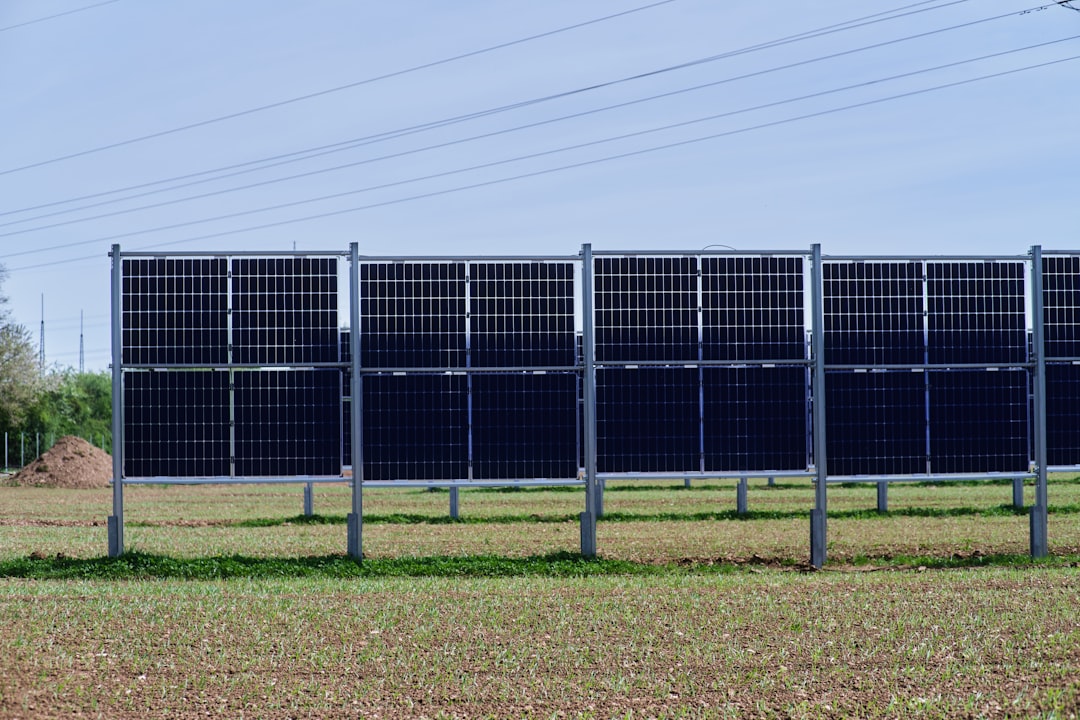
The $4.2 billion (plus up to $390 million in potential additional payments) from KKR’s global infrastructure strategy isn’t going into a flashy new app or a metaverse platform. It’s earmarked for tangible, physical assets: solar arrays, wind farms, and battery storage solutions across North America. Specifically, this capital secures EDF power solutions North America, which already ranks among the top ten owners of renewable energy capacity in the U.S. This isn’t just about buying existing assets; it’s about acquiring an integrated platform covering development, construction, operations, maintenance, and asset management, serving utilities, corporates, and institutions.
The strategic intent here is crystal clear: leverage KKR’s resources and support to expand this asset base, optimize operational performance, and significantly accelerate the development pipeline. This is a play for essential, revenue-generating infrastructure at scale. In an era where demand for reliable, clean power is skyrocketing – driven by everything from data centers to reshoring manufacturing – owning the pipes, so to speak, is a far more secure bet than hoping for the next viral software.

Who Benefits and Who Doesn’t
- KKR: Clearly a massive winner, securing a significant foothold in the burgeoning North American renewable energy market with an established, diversified portfolio and a robust development pipeline.
- EDF Group: Benefits from divesting a significant asset, potentially freeing up capital for other strategic priorities or debt reduction, while ensuring its North American renewable assets continue to grow under new ownership.
- Fossil Fuel Generators: This accelerating shift towards large-scale renewable acquisitions, fueled by private equity, signals continued pressure and shrinking market share for traditional, carbon-intensive power generation.
- Utility, Corporate, and Institutional Customers: Stand to benefit from increased investment and accelerated development in renewable energy, potentially leading to more competitive and reliable clean power options.
What This Signals About the Market
This KKR deal isn’t just big; it’s emblematic of a profound shift in how smart money views the energy transition. For years, “energy transition” was a buzzword, often associated with venture capital bets on nascent technologies. Now, we’re seeing established alternative asset managers like KKR committing serious, infrastructure-level capital to mature, operational renewable assets. This move validates the thesis that renewable energy isn’t just an ESG play anymore; it’s a core infrastructure investment offering stable, long-term returns, insulated to some extent from market volatility.
The “why now?” is equally instructive. KKR explicitly cites “rising electricity demand driven by factors including the rapid expansion of data centers, manufacturing reshoring and broader electrification trends.” This isn’t some abstract projection; it’s a concrete, immediate demand driver that makes the ownership of scalable power generation assets incredibly attractive. It underscores the “Banking Transformation” trend where capital is increasingly flowing into foundational infrastructure that enables digital and industrial growth, rather than just the growth itself. This is private equity going back to basics, investing in the unglamorous but utterly essential plumbing of the modern economy.
Global Ripple Effect
Asia
The KKR move underscores the global imperative for energy transition infrastructure. Asian economies, particularly those reliant on energy-intensive manufacturing and rapidly expanding digital infrastructure, will likely see increased private equity interest in their own renewable assets. This could spur competitive M&A and new project development, as investors seek to replicate successful models.
Europe
For Europe, which has long been a frontrunner in renewable energy policy and deployment, this acquisition validates the long-term investment thesis. It suggests that even in mature markets, there’s significant value in consolidating and expanding operational renewable portfolios, potentially encouraging more cross-border investment and private capital flows into European green assets.
United States
The U.S. market is clearly a hotspot, driven by unprecedented demand for electricity. This deal will likely embolden other institutional investors and private equity firms to pursue similar large-scale renewable energy acquisitions, further accelerating the transition away from fossil fuels and transforming the U.S. power grid at a rapid pace.
The Bottom Line
The significant KKR renewable energy acquisition of EDF Group’s North American assets signals a decisive shift in private equity strategy: a move towards essential, revenue-generating energy infrastructure. As power demand surges from data centers and reshoring, capital is flowing into tangible assets that underpin economic growth, offering stable, long-term returns for sophisticated investors. This isn’t just an ESG play; it’s a foundational investment in the electrified future.
Frequently Asked Questions
What drives private equity’s interest in renewable energy now?
Private equity is increasingly drawn to renewable energy due to its stable, long-term cash flows, essential nature, and clear growth drivers like data center expansion and electrification. These assets offer a hedge against market volatility and align with broader ESG mandates, making them attractive for large infrastructure funds.
How does this acquisition impact the broader energy transition?
This large-scale acquisition by KKR accelerates the energy transition by injecting significant capital into operational renewable assets. It validates the sector’s maturity and attractiveness, likely encouraging more institutional investment and speeding up the deployment of clean energy infrastructure across North America.
What are the implications for CFOs managing corporate energy strategy?
CFOs should recognize this trend as a signal of increasing competition for clean energy supply and infrastructure. Proactively securing long-term power purchase agreements (PPAs) or exploring direct investments in renewable assets becomes crucial to manage costs, ensure supply reliability, and meet sustainability targets amidst rising demand.
Related Reading
- Hot Take: This CEO Tested a Radical AI Rule. It Ended…
- VCs chase AI hype: Why repeat founders still win.SME & Startup Finance
- BNPL: Debt Trap, Not Fintech Disruption.Regulatory Updates
PM
Priya Mehta
Senior Financial Journalist & Regulatory Correspondent
Priya Mehta is GrowStream Media’s regulatory and opinion voice, specialising in fintech policy, central bank decisions, and the intersection of AI with financial compliance. She holds expertise in financial journalism covering APAC, EU, and US regulatory developments.
